


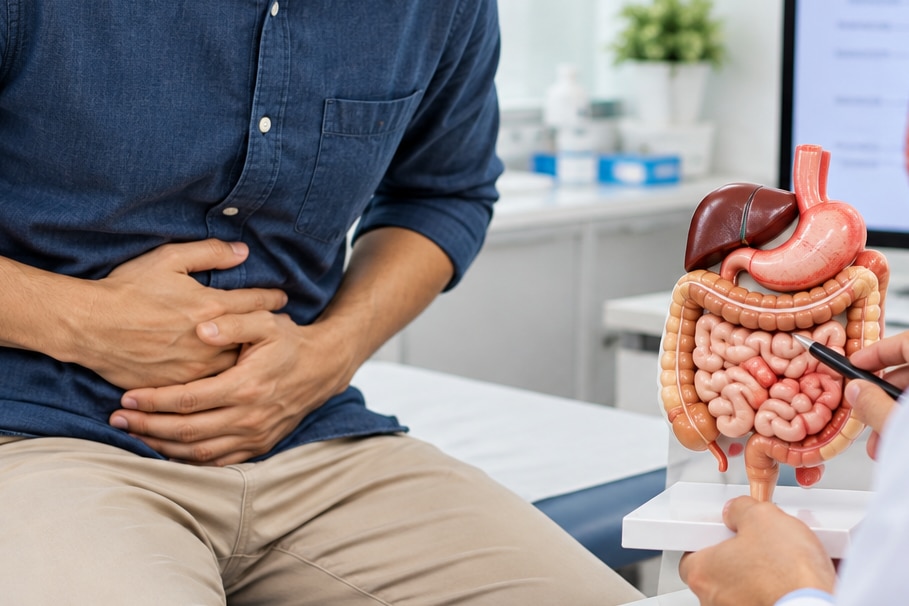
Vomiting or loose stools can improve with careful hydration, but the same symptoms can also signal dysentery, appendicitis, medication toxicity, or dangerous fluid loss. You will learn what an outpatient visit checks, which warning signs require hospital care, what records to bring, and where Ayurvedic support fits safely into assessment and recovery.
Key takeaways
- Record symptom onset, stool frequency, vomiting episodes, fever, pain, and fluid intake.
- Seek emergency care for severe dehydration, blood in stool, confusion, or persistent vomiting.
- Bring medication lists, medical records, symptom timings, and recent test reports.
- Use oral rehydration solution while arranging care, unless a clinician gives different advice.
What happens during a gastroenteritis OPD visit?
A gastroenteritis OPD visit begins by clarifying whether you have vomiting, diarrhoea, or both, and whether the pattern is acute. The clinician records when symptoms started, stool frequency and appearance, vomiting episodes, measured fever, abdominal pain, and how much fluid you have taken.
A gastroenteritis consultation Greater Noida patients can use should also ask about recent meals, unsafe water, travel, sick contacts, medicines, pregnancy, diabetes, kidney disease, and weakened immunity.
Expect a focused hydration and abdominal check. The clinician measures temperature and pulse, and checks blood pressure when available. They assess alertness, thirst, mouth dryness, skin and eyes, abdominal tenderness or swelling, and urine output.
Tell the clinician if you have:
- Dizziness, unusual lethargy, sunken eyes, a fast pulse, low blood pressure, or very little urine; these findings point to dehydration.
- The last time you urinated and whether the amount was normal.
- Any change in symptoms after drinking fluids or taking medicine.
The key decision is whether you are stable for outpatient care. Gastroenteritis is a clinical description, not proof of one specific virus, bacterium, parasite, or food-related cause. The clinician should explain this working diagnosis clearly and tell you when testing, hospital assessment, or urgent fluid treatment is needed.
When is an OPD visit suitable, and when is emergency care safer?
A stable person with short-duration vomiting or diarrhoea can attend an OPD if they can drink, remain alert, pass urine, and have no blood, severe pain, persistent high fever, or worsening weakness.
If you are searching for gastroenteritis OPD in Greater Noida West, confirm that the clinician checks hydration, pulse, blood pressure, temperature, abdominal findings, and urine output before suggesting outpatient treatment.
Go directly to emergency care if you have:
- Confusion, fainting, unusual drowsiness, or shock-like weakness
- Inability to keep even small sips of fluid down
- Markedly reduced urine, severe thirst, very dry mouth, dizziness, sunken eyes, or other signs of severe dehydration
- Black or bloody stool, or blood or coffee-ground material in vomit
- A rigid or swollen abdomen
- Severe pain that settles in one area, especially with persistent vomiting
- Persistent high fever or weakness that is getting worse
Children, older adults, pregnant people, and anyone with diabetes, kidney disease, heart disease, or weakened immunity need faster review because dehydration and electrolyte disturbances become dangerous sooner. A child who is unusually sleepy, has no tears, drinks poorly, or has fewer wet nappies needs urgent assessment.
Do not schedule Panchakarma or take purgatives during active vomiting or diarrhoea while severe illness remains possible. Ask for a follow-up time, fluid instructions, and clear escalation advice before leaving an OPD.
How are other causes and the need for tests assessed?
A meal-linked cluster of vomiting or diarrhoea suggests foodborne illness, but blood or mucus in stool, fever, and marked cramps raise concern for dysentery or another invasive infection. Profuse watery diarrhoea with rapid dehydration requires urgent cholera evaluation when exposure history and local risk support it.
The clinician should actively check for these alternative explanations:
- Right-sided, localized pain can indicate appendicitis, while upper-right pain after meals can point to gallbladder disease.
- Recurrent symptoms, weight loss, or nighttime diarrhoea require consideration of inflammatory bowel disease.
- A new medicine, antibiotic, supplement, or Ayurvedic product can cause vomiting or diarrhoea as a side effect.
- Pregnancy, diabetes, kidney or metabolic illness, weakened immunity, and other abdominal disorders can change both the diagnosis and treatment.
Mild, brief watery illness does not automatically need laboratory testing. A gastroenteritis consultation greater noida patients seek should include a testing decision based on severity, duration, examination findings, exposure, and medical history—not an automatic panel.
Blood, mucus, high fever, severe cramps or tenderness, suspected outbreak, sepsis, or selected immunocompromised patients strengthen the case for stool microscopy or stool culture. A clinician may also order a complete blood count, serum electrolytes, urea, and creatinine to assess infection, salt imbalance, and kidney function.
Suspected sepsis, cholera, dysentery, appendicitis, or other surgical disease needs referral, not an Ayurvedic prescription alone. If you are comparing ayurvedic gastroenteritis treatment in greater noida west, ask how the clinic recognises these red flags and arranges hospital care.
What should you bring, and what supportive care starts at home?
Bring a written record and use it to make an ayurvedic opd for gastroenteritis near me visit more useful. Note:
1. The symptom start time, number of stools and vomiting episodes, stool appearance, measured temperatures, approximate fluid intake, and the last time you passed urine.
2. Every prescription medicine, painkiller, antibiotic, supplement, Ayurvedic product, and home remedy you have taken. Bring recent reports and write down diabetes, kidney disease, pregnancy, immune problems, or previous bowel illness.
3. Start a commercial oral rehydration solution (ORS) at home. Take small, frequent sips; ORS replaces water and salts more reliably than an improvised salt-sugar mixture, whose concentration can be harmful.
4. If vomiting settles, continue breastfeeding. Resume foods you tolerate, such as rice, khichdi, bananas, toast, curd if tolerated, or your normal diet in small portions. Do not use alcohol, very oily foods, prolonged fasting, self-prescribed antibiotics, or anti-diarrhoeal medicines when fever or blood is present.
5. Wash hands with soap and water, clean contaminated surfaces, and avoid preparing food for others while ill. Alcohol sanitizer is less reliable against some gastroenteritis viruses. Follow local advice about returning to work or school.
Where does Ayurvedic care fit into a safe gastroenteritis OPD?
Ayurvedic care fits safely when it supplements medical assessment rather than replacing urgent treatment. At Kairavam Ayurveda, the practitioner may discuss agni, ama, dosha involvement, appetite, stool pattern, fever, pain, and hydration alongside the symptom history and physical examination.
The consultation should record every herb, supplement, and proprietary product, then check interactions with antibiotics, painkillers, diabetes medicines, kidney medicines, and other current treatment. It should also provide a written fluid plan, expected recovery milestones, a follow-up date, and clear escalation instructions.
Ask how the plan changes if:
- Urine output falls or dizziness and weakness increase
- Vomiting continues and you cannot keep fluids down
- Fever rises, abdominal pain becomes severe or localized, or symptoms last longer than expected
- Blood or mucus appears in stool, or blood or coffee-ground material appears in vomit
Commercial oral rehydration solution remains central because it replaces water and electrolytes. Severe dehydration, shock, altered consciousness, very low urine output, or inability to drink requires intravenous fluids and hospital referral, not routine outpatient herbs.
Panchakarma is not the default response to active gastroenteritis. Induced vomiting, purgation, fasting, and enemas can worsen fluid and electrolyte loss. If cleansing procedures are discussed after recovery, ask about timing, contraindications, alternatives, and risks. Use this standard when comparing ayurvedic gastroenteritis treatment in greater noida west or an ayurvedic opd for gastroenteritis near me.
Related service
OPD for gastroenteritis OPD for gastroenteritis ₹500 Gastroenteritis is inflammation of the stomach and intestines, usually resulting in symptoms like vomiting and diarrhea. |
Frequently asked questions
What happens during a gastroenteritis OPD visit?
The clinician reviews vomiting, diarrhoea, symptom duration, stool appearance, fever, abdominal pain, and fluid intake before assessing hydration and treatment needs.
When is gastroenter outpatient care suitable, and when is emergency care safer?
An OPD visit suits people who can drink and remain alert. Choose emergency care for severe dehydration, confusion, blood in stool, severe pain, or vomiting that prevents fluid intake.
How are other causes and the need for tests assessed?
The clinician considers symptom timing, exposures, medicines, fever, pain pattern, stool changes, and medical history before deciding whether tests or referral are needed.
What should you bring to a gastroenteritis consultation?
Bring a medication list, medical records, recent test reports, symptom timings, stool and vomiting details, measured temperatures, and information about fluid intake.
Where does Ayurvedic care fit into a safe gastroenteritis OPD?
Ayurvedic care can support an individual assessment and symptom-management plan after urgent warning signs are screened, with referral or testing when the presentation requires it.