


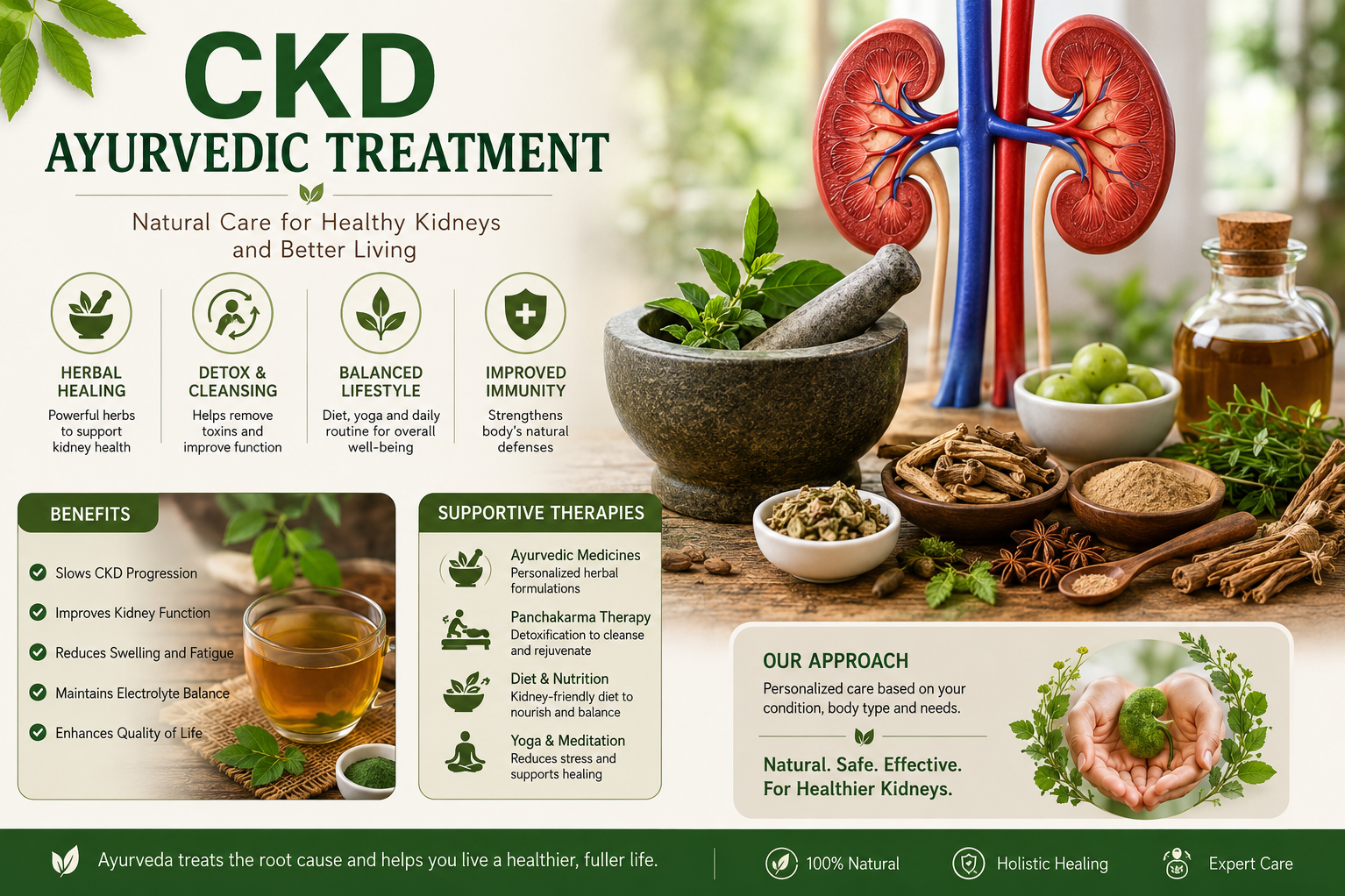
Receiving a diagnosis of Chronic Kidney Disease (CKD) often leads to many questions about treatment options and long-term health. Alongside regular nephrology care, some patients consider Ayurveda to support overall wellness through personalized lifestyle practices, herbal formulations, and traditional therapies.
If you are searching for CKD Ayurvedic Treatment in Greater Noida, it is important to understand what Ayurveda can realistically offer, how treatment is planned, and what factors should guide your decision.
Why Every CKD Patient Is Different
CKD does not progress the same way in every individual. Some people have mild reductions in kidney function that remain stable for years, while others require more intensive medical management.
Several factors influence treatment planning:
- Stage of kidney disease
- Blood pressure levels
- Diabetes status
- Creatinine and eGFR reports
- Dietary habits
- Existing medications
- Overall physical health
This is why personalized care is more beneficial than one-size-fits-all treatment recommendations.
The Ayurvedic Consultation Process
An Ayurvedic consultation typically involves much more than discussing kidney reports.
The practitioner may evaluate:
- Current symptoms
- Digestive health
- Daily routine
- Sleep quality
- Stress levels
- Dietary habits
- Medical history
- Existing medications
This broader assessment helps create an individualized treatment strategy tailored to the patient's overall health profile.
Common Goals of Ayurvedic Kidney Support
Ayurveda generally aims to support overall health rather than focusing solely on laboratory values.
Treatment plans may seek to:
- Improve digestion and metabolism
- Support healthy elimination
- Promote balanced nutrition
- Encourage healthy lifestyle habits
- Enhance general well-being
- Help patients maintain a better quality of life
Individual results vary, and ongoing medical supervision remains essential.
Lifestyle Changes That Complement Treatment
Successful kidney care depends on daily habits as much as clinical treatment.
Patients are often encouraged to:
- Follow prescribed medications consistently.
- Attend regular medical check-ups.
- Maintain a kidney-friendly diet recommended by healthcare professionals.
- Stay physically active within safe limits.
- Get sufficient rest.
- Manage stress through relaxation techniques.
- Avoid smoking and excessive alcohol.
Even small lifestyle improvements can contribute to better long-term health.
Questions to Ask Before Choosing an Ayurvedic Clinic
Patients should feel comfortable asking important questions before beginning treatment.
Consider asking:
- Will my existing reports be reviewed?
- Is treatment customized?
- Can I continue consulting my nephrologist?
- How frequently will progress be monitored?
- Are dietary recommendations personalized?
- What lifestyle modifications are suggested?
Clear communication builds trust and supports better healthcare decisions.
Integrating Ayurveda with Modern Healthcare
Many people today prefer an integrative healthcare approach rather than choosing one system exclusively.
Responsible Ayurvedic practitioners generally encourage patients to:
- Continue prescribed medications unless advised otherwise by their physician.
- Share laboratory reports regularly.
- Monitor kidney function through routine investigations.
- Report new symptoms promptly.
- Follow specialist recommendations for diabetes and blood pressure management.
This collaborative approach helps maintain continuity of care.
Finding Trusted Care in Greater Noida
People living in Greater Noida often look for healthcare providers who take time to understand chronic conditions instead of offering generalized solutions. A detailed consultation, individualized treatment planning, and continuous follow-up can make patients feel more confident throughout their healthcare journey.
Kairavam Ayurveda follows this patient-centered philosophy by evaluating each individual's health condition comprehensively before recommending Ayurvedic therapies, dietary guidance, and lifestyle practices suited to their needs.
Making an Informed Decision
Choosing CKD Ayurvedic Treatment in Greater Noida should begin with realistic expectations and informed discussions with qualified healthcare professionals. Ayurveda can serve as a supportive component of a broader healthcare plan when integrated responsibly with conventional medical care.
By combining regular medical monitoring, healthy daily habits, appropriate nutrition, and individualized Ayurvedic guidance, patients can take meaningful steps toward managing chronic kidney disease while focusing on long-term health and overall well-being.